
Introduction
Have you ever wondered how people make money by buying and selling stocks, currencies, or cryptocurrencies? Every day, millions of traders around the world participate in financial markets, aiming to profit from price movements. This activity is known as trading.
Trading is one of the most popular ways to participate in financial markets. However, contrary to what social media often portrays, successful trading is not about luck or gambling. It is a skill that requires knowledge, discipline, risk management, and emotional control.
In this guide, you’ll learn what trading is, how it works, the different types of trading, and the essential concepts every beginner should understand before entering the market.
What Is Trading?
Trading is the process of buying and selling financial assets with the goal of making a profit from price fluctuations.
A trader purchases an asset when they believe its price will increase and sells it later at a higher price. Alternatively, traders can sell an asset when they expect its price to fall and buy it back at a lower price.
The assets traded in financial markets include:
- Stocks
- Forex (Currencies)
- Commodities (Gold, Silver, Crude Oil)
- Indices
- Cryptocurrencies
- Bonds
The primary objective of trading is to capitalize on short-term or medium-term market movements rather than holding investments for many years.
How Did Trading Begin?
Trading has existed for thousands of years. In ancient civilizations, people exchanged goods through a system known as barter trade. As economies evolved, money replaced barter systems, making transactions easier and more efficient.
The concept of financial trading began with stock exchanges, where investors could buy and sell shares of companies. One of the earliest stock exchanges was established in Amsterdam in the 17th century. Today, modern technology allows traders to participate in global markets from their computers and smartphones.
Whether trading stocks, currencies, commodities, or cryptocurrencies, the fundamental principle remains the same: buying and selling assets to profit from price movements.
How Does Trading Work?
Trading operates on a simple principle:
Buy Low → Sell High = Profit
For example:
- You buy a stock at 1,000.
- The price rises to 1,200.
- You sell the stock.
Your profit is 200 per share (excluding taxes and brokerage charges).
Similarly, if the price falls after purchasing, you may incur a loss.
Because prices constantly change due to supply and demand, traders analyze market conditions to predict future price movements.
Why Do Prices Move?
Financial markets move because buyers and sellers continuously interact.
Several factors influence prices:
Economic News
Interest rates, inflation data, and employment reports can significantly impact markets.
Company Performance
Strong earnings reports often push stock prices higher, while poor results can cause declines.
Market Sentiment
Fear and greed influence trader behavior and often drive short-term price movements.
Institutional Activity
Banks, hedge funds, and large financial institutions execute massive orders that can influence market direction.
Understanding why prices move is a crucial step toward becoming a successful trader.
Different Financial Markets You Can Trade
Stock Market
The stock market allows traders and investors to buy and sell shares of publicly listed companies. Popular stock exchanges include the NSE and BSE in India and the NYSE and NASDAQ in the United States.
Forex Market
The foreign exchange (Forex) market is the world’s largest financial market. Traders buy one currency while simultaneously selling another. Popular currency pairs include EUR/USD, GBP/USD, and USD/JPY.
Commodity Market
Commodity trading involves assets such as gold, silver, crude oil, and natural gas. Commodity prices are influenced by supply, demand, and global economic conditions.
Cryptocurrency Market
Cryptocurrencies such as Bitcoin and Ethereum have become popular among traders due to their high volatility and potential for significant price movements.
Indices Market
Indices represent a group of stocks. Examples include the Nifty 50, Sensex, S&P 500, and Nasdaq 100. Trading indices allows traders to speculate on the overall performance of a market rather than a single company.
Types of Trading
1. Intraday Trading
Intraday traders open and close positions within the same trading day.
Characteristics:
- No overnight positions
- Quick decision-making
- Multiple trades per day
- Requires active monitoring
Suitable for traders who can dedicate significant time to the markets.
2. Swing Trading
Swing traders hold positions for several days or weeks.
Characteristics:
- Captures medium-term trends
- Less stressful than day trading
- Requires patience
- Suitable for working professionals
Many beginners find swing trading easier than intraday trading.
3. Position Trading
Position traders hold trades for months or even years.
Characteristics:
- Focus on long-term trends
- Less affected by short-term market noise
- Combines technical and fundamental analysis
This approach resembles investing but still involves active trade management.
4. Scalping
Scalpers aim to profit from very small price movements.
Characteristics:
- Numerous trades per day
- Very short holding periods
- High concentration required
- Fast execution is critical
Scalping is generally recommended for experienced traders.
Trading vs Investing
Many people confuse trading with investing, but they are fundamentally different.
| Trading | Investing |
|---|---|
| Short-term focus | Long-term focus |
| Frequent buying and selling | Buy and hold strategy |
| Profits from price fluctuations | Wealth creation over time |
| Requires active management | Requires patience |
| Higher risk | Relatively lower risk |
Investors focus on long-term growth, while traders focus on market opportunities over shorter periods.
Essential Concepts Every Trader Must Understand
Market Structure
Market structure helps traders identify trends and market direction.
A market can be:
- Uptrend
- Downtrend
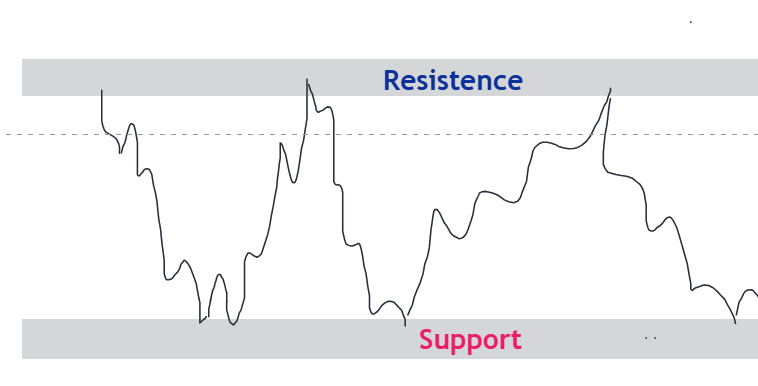
- Range-bound
Understanding structure prevents traders from trading against the dominant trend.
Liquidity
Liquidity refers to areas where large numbers of buy and sell orders exist.
Institutions often target these liquidity zones before moving prices in the intended direction.
Liquidity is one of the most important concepts in Smart Money Trading.
Risk Management
Risk management protects traders from large losses.
Common principles include:
- Never risk more than 1–2% per trade
- Use stop-loss orders
- Maintain proper risk-reward ratios
- Avoid overtrading
Professional traders focus on preserving capital before chasing profits.
Trading Psychology
Success in trading depends heavily on emotional discipline.
Common emotional challenges include:
- Fear of losing
- Greed
- Revenge trading
- Overconfidence
Many traders fail not because of poor strategies but because they cannot control their emotions.
How Beginners Can Start Trading
Starting your trading journey can feel overwhelming, but following a structured approach can increase your chances of success.
Step 1: Learn the Basics
Understand market structure, candlestick patterns, risk management, and trading psychology before risking real money.
Step 2: Choose a Market
Decide whether you want to trade stocks, forex, commodities, indices, or cryptocurrencies.
Step 3: Open a Brokerage Account
Select a reliable broker that offers a user-friendly platform, competitive fees, and strong security.
Step 4: Practice on a Demo Account
A demo account allows you to gain experience without risking real money.
Step 5: Create a Trading Plan
Define your entry rules, exit strategy, risk management guidelines, and profit targets.
Step 6: Start Small
Begin with small position sizes and focus on consistency rather than quick profits.
By following these steps, beginners can develop the skills and discipline needed to become successful traders over time.
Common Mistakes New Traders Make
Beginners often make predictable mistakes:
- Trading without a plan
- Ignoring risk management
- Using excessive leverage
- Following social media tips blindly
- Overtrading
- Chasing losses
Avoiding these mistakes can significantly improve long-term performance.
Can You Make Money Through Trading?
Yes, trading can be profitable. However, it is important to understand that trading is not a get-rich-quick scheme.
Consistent profitability requires:
- Education
- Experience
- Discipline
- Risk management
- Patience
Professional traders treat trading as a business rather than a form of gambling.
Frequently Asked Questions (FAQs)
Is trading legal in India?
Yes, trading is completely legal in India when conducted through SEBI-registered brokers and regulated exchanges such as NSE and BSE.
How much money do I need to start trading?
The amount depends on the market and strategy. Many brokers allow beginners to start with a small amount, but it is recommended to trade only with money you can afford to lose.
Is trading risky?
Yes, trading involves risk because financial markets are unpredictable. Proper risk management and discipline are essential to protect your capital.
Can beginners learn trading?
Absolutely. Anyone can learn trading through education, practice, and experience. Many successful traders started with little knowledge and improved over time.
What is the difference between trading and investing?
Trading focuses on short-term price movements, while investing focuses on long-term wealth creation through holding assets for years.
Which market is best for beginners?
Many beginners start with the stock market because it is easier to understand than more complex markets such as forex or derivatives.
Can trading be a full-time career?
Yes, some traders make trading their full-time profession. However, consistent profitability requires experience, discipline, and strong risk management skills.
Conclusion
Trading is the process of buying and selling financial assets to profit from market price movements. Whether you’re trading stocks, forex, commodities, or cryptocurrencies, success depends on understanding market structure, liquidity, risk management, and trading psychology.
For beginners, the most important goal should not be making quick profits but learning how markets work. With proper education, discipline, and consistent practice, trading can become a valuable skill that offers long-term opportunities in financial markets.
Remember: The best traders don’t predict every market move—they manage risk better than everyone else.