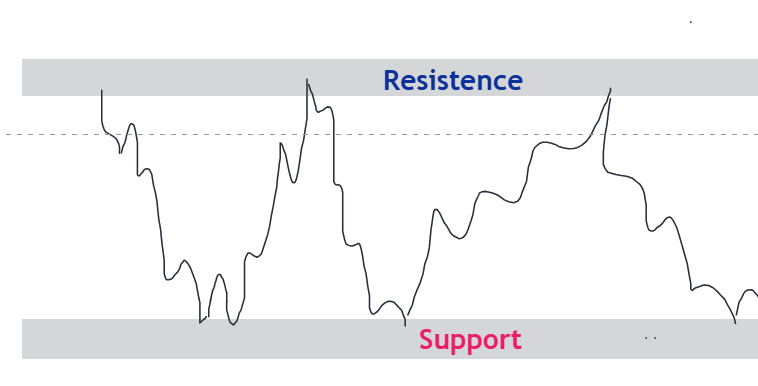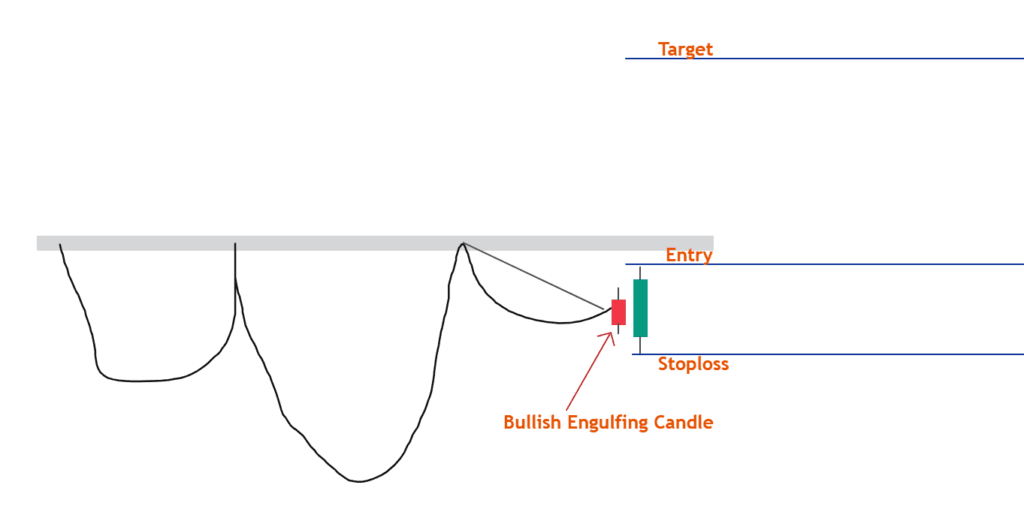
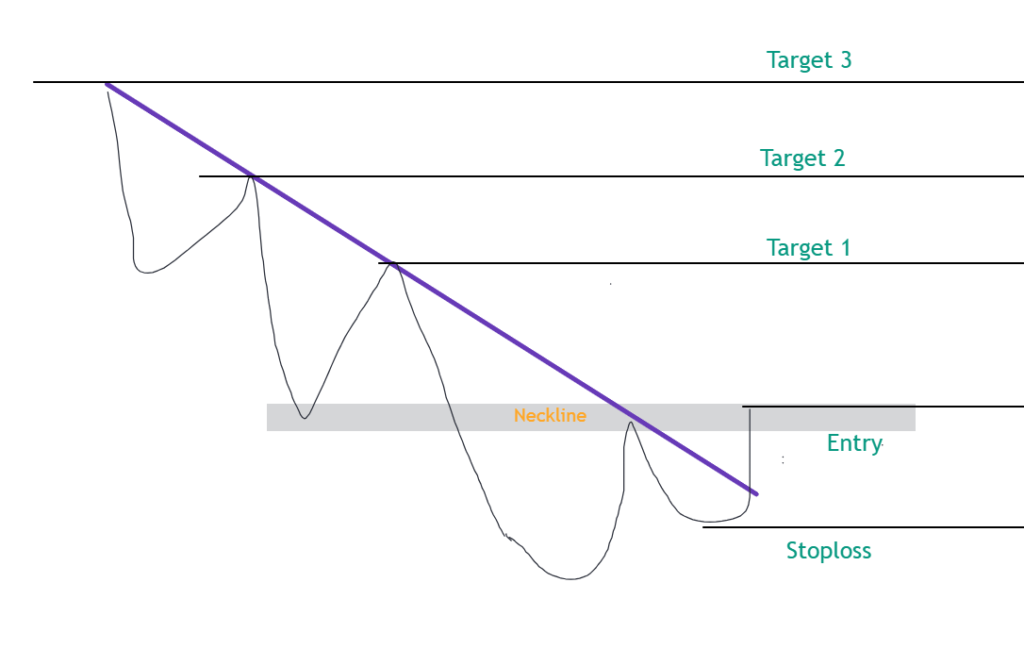
Introduction
Identifying a market reversal before the majority of traders can be highly rewarding. However, one of the biggest challenges in trading is distinguishing between a temporary price bounce and the beginning of a genuine trend reversal. This is where chart patterns become valuable tools for technical analysis.
Among all reversal patterns, the Double Bottom pattern is one of the most widely used by traders and investors around the world. The pattern appears when sellers attempt to push prices lower on two separate occasions but fail to break a significant support level. This failure often signals weakening bearish momentum and increasing buying interest.
The Double Bottom pattern can be found across various financial markets, including stocks, indices, forex, commodities, and cryptocurrencies. Whether you are analyzing the S&P 500, Nifty 50, Bank Nifty, or individual stocks, the underlying psychology remains the same. The pattern reflects a shift in market sentiment from bearish to bullish as buyers gradually gain control.
One reason why traders prefer the Double Bottom pattern is its simplicity. The structure is easy to identify, offers clear entry and stop-loss levels, and provides measurable profit targets. When combined with volume analysis, support and resistance levels, and proper risk management, it can become a powerful tool for identifying high-probability trading opportunities.
In this comprehensive guide, you will learn how the Double Bottom pattern forms, why it works, how professional traders use it, the best entry and exit strategies, common mistakes to avoid, and real examples from the S&P 500, Nifty 50, and Bank Nifty.
By the end of this article, you will have a clear understanding of how to identify and trade Double Bottom patterns with greater confidence and discipline.
Double Bottom Pattern at a Glance
The Double Bottom pattern is one of the most recognizable bullish reversal patterns in technical analysis. It typically appears after a prolonged downtrend and signals that sellers may be losing control while buyers gradually gain strength.
The pattern resembles the letter “W” and is formed when price tests a support level twice before breaking above a resistance level known as the neckline. Once the neckline is broken, traders view the pattern as confirmed and begin looking for potential buying opportunities.
Key characteristics of a Double Bottom pattern include:
* Forms after a downtrend
* Creates two lows near the same support level
* Contains a neckline resistance level
* Breakout above the neckline confirms the pattern
* Often accompanied by increasing volume
* Generally considered a bullish reversal signal
Because of its simple structure and clear trading rules, the Double Bottom remains one of the most widely used reversal patterns among traders and investors.
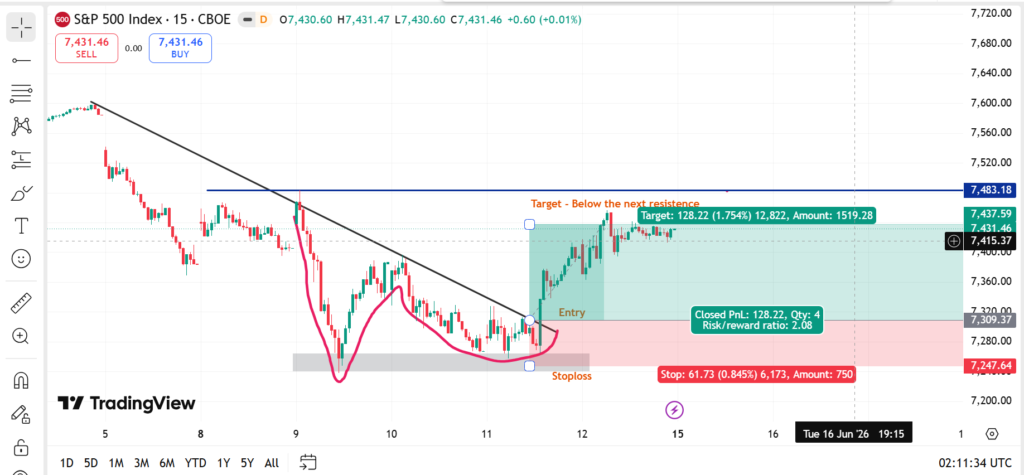
Double Bottom Pattern Example on S&P 500
Analyze Double Bottom Patterns on Live Charts
To improve your chart-reading skills, analyze real market data using TradingView. Look for two distinct bottoms, a neckline breakout, and volume confirmation before taking a trade.
Live Chart Platform: https://www.tradingview.com/
What Happened?
Before understanding the theory, it is helpful to examine a real market example.
In this S&P 500 chart, the market was experiencing a noticeable downtrend. Selling pressure remained strong and traders continued expecting lower prices.
Eventually, buyers stepped in at a major support zone and created the first bottom. This support area attracted enough demand to generate a temporary rally.
After the rally, sellers attempted to resume the downtrend. Price declined once again toward the same support area. However, despite the renewed selling pressure, the market failed to break significantly below the previous low.
This was the first indication that sellers were losing momentum.
As buyers recognized the strength of support, demand increased. Price began moving higher and eventually broke above the neckline resistance.
The breakout confirmed the Double Bottom pattern and signaled a potential trend reversal.
This type of setup appears regularly on major indices such as the S&P 500 because institutional investors often defend important support levels.
What Is a Double Bottom Pattern?
A Double Bottom is a bullish reversal chart pattern that forms after an established downtrend.
The pattern consists of two separate lows that develop near the same support level. Between these lows, price creates a temporary rally that forms a resistance level known as the neckline.
The pattern resembles the letter “W” when viewed on a chart.
The key concept behind the Double Bottom is that sellers attempt to push the market lower on two occasions but fail to break an important support area.
This repeated failure often indicates that bearish momentum is weakening.
When buyers eventually push the price above the neckline resistance, the pattern becomes confirmed and suggests that a bullish trend reversal may be underway.
Because the pattern is based on human behavior and market psychology, it can be found across multiple asset classes, including:
* Stocks
* Indices
* Forex pairs
* Commodities
* Cryptocurrencies
The same principles apply regardless of the market being analyzed.
Why the Double Bottom Pattern Matters
The Double Bottom pattern matters because it helps traders identify potential trend reversals before they become obvious to the majority of market participants.
One of the biggest challenges in trading is determining when a downtrend is ending. Many traders either enter too early and get trapped in continuing declines or enter too late after most of the move has already occurred.
The Double Bottom provides a structured framework for recognizing changing market conditions.
When sellers fail to break support after multiple attempts, it often signals that buying demand is increasing. This shift in supply and demand can lead to a significant trend reversal.
The pattern also offers clear trading advantages:
* Defined entry points
* Logical stop-loss placement
* Measurable profit targets
* Favorable risk-reward opportunities
For these reasons, the Double Bottom remains one of the most trusted reversal patterns in technical analysis.
How the Double Bottom Pattern Forms
Understanding how the pattern develops can help traders identify higher-quality opportunities.
Stage 1: Existing Downtrend
Every valid Double Bottom begins with an established downtrend.
The market should be making lower highs and lower lows before the pattern starts forming.
Without a prior decline, the significance of the pattern is greatly reduced.
The downtrend creates the bearish sentiment necessary for a meaningful reversal.
Stage 2: First Bottom
As selling pressure continues, price eventually reaches a support level where buyers begin entering the market.
This causes the decline to pause and creates the first bottom.
At this stage, most traders still believe the downtrend remains intact.
The bounce from support is often viewed as temporary.
Stage 3: Neckline Formation
Following the first bottom, buyers push price higher.
This rally creates a temporary resistance level.
This resistance level is called the neckline.
The neckline plays a critical role because it serves as the confirmation level for the pattern.
A breakout above this area signals that buyers have gained control.
Stage 4: Second Bottom
After reaching the neckline, price declines again.
The market returns toward the original support area and forms the second bottom.
Ideally, the second low should occur near the same price level as the first low.
A slightly higher or slightly lower second bottom is generally acceptable.
The most important observation is that sellers fail to create a decisive breakdown below support.
Stage 5: Breakout Confirmation
The final stage occurs when price rallies from the second bottom and breaks above the neckline.
This breakout confirms the Double Bottom pattern.
Once confirmation occurs, many traders begin looking for long positions.
The breakout often attracts additional buying interest, increasing the likelihood of a sustained upward move.
Psychology Behind the Double Bottom Pattern
The true power of the Double Bottom pattern comes from the psychology behind it.
Charts are simply visual representations of human behavior.
Understanding what buyers and sellers are thinking can help traders interpret the pattern more effectively.
Fear During the First Decline
During the initial downtrend, fear dominates the market.
Negative sentiment causes traders to sell positions and expectations become increasingly bearish.
As a result, the price declines sharply.
Buyer Interest at Support
Eventually, the price reaches a support level where buyers begin seeing value.
Institutional investors, long-term traders, and bargain hunters start accumulating positions.
This buying activity creates the first bottom and initiates a rebound.
Seller Exhaustion
After the rebound, sellers attempt another decline.
However, they discover that pushing prices lower is becoming more difficult.
Support continues attracting buyers and bearish momentum begins fading.
This inability to create a meaningful new low is often the first sign of seller exhaustion.
Bullish Breakout and Trend Reversal
As confidence among buyers increases, demand begins outweighing supply.
When price breaks above the neckline, market participants recognize the shift in momentum.
New buyers enter the market and short sellers begin covering positions.
This combination often fuels the next bullish trend.
How to Identify a High-Probability Double Bottom
Not every W-shaped formation on a chart qualifies as a valid Double Bottom pattern. Professional traders focus on identifying high-probability setups that meet specific criteria rather than trading every pattern they encounter.
The quality of the setup often determines the probability of success.
Clear Prior Downtrend
A valid Double Bottom should form after a noticeable downtrend.
The market should be making lower highs and lower lows before the pattern appears.
Without a prior bearish trend, the pattern loses much of its significance because there is no trend to reverse.
The stronger the preceding downtrend, the more meaningful the potential reversal becomes.
Strong Support Zone
The two bottoms should develop near a well-defined support level.
Support zones represent areas where buying demand has historically been strong enough to prevent further declines.
When price repeatedly finds support at the same level, it suggests that buyers are actively defending that area.
Major support zones often attract institutional buying activity, making them particularly important.
Similar Bottoms
The two lows should occur near the same price level.
A perfect match is not necessary.
In real markets, the second bottom may form slightly above or slightly below the first low.
What matters most is that sellers fail to create a decisive breakdown.
This failure indicates weakening bearish momentum.
Visible Neckline
The neckline should be clearly identifiable.
A strong neckline makes the breakout easier to recognize and increases confidence in the setup.
The more obvious the neckline, the more likely traders are to react when it is broken.
Breakout Confirmation
Many traders make the mistake of entering before confirmation.
A Double Bottom is not complete until price breaks above the neckline.
Waiting for confirmation reduces the likelihood of entering a failed setup.
Volume Confirmation
Volume plays a crucial role in validating the pattern.
A breakout accompanied by increasing volume is generally considered more reliable.
Higher volume suggests strong participation from buyers and increases the probability of a sustained move.
Entry Strategy
Once a Double Bottom pattern has formed, traders must determine the best entry method.
Different entry techniques offer different levels of risk and reward.
Conservative Entry
The conservative approach involves waiting for a confirmed breakout above the neckline.
Traders typically enter after a candle closes above resistance.
This method reduces the risk of false breakouts because the market has already demonstrated bullish strength.
Although the entry price may be higher, the probability of success is generally greater.
Aggressive Entry
Aggressive traders sometimes enter near the second bottom.
This approach aims to capture a larger portion of the move and provides a more attractive risk-reward ratio.
However, the pattern has not yet been confirmed at this stage.
As a result, the probability of failure is higher.
Aggressive entries require strong bullish signals and disciplined risk management.
Retest Entry Strategy
Many professional traders prefer the retest strategy.
After breaking above the neckline, price often returns to test the breakout level.
This area frequently acts as new support.
If buyers successfully defend the retest, traders can enter with a relatively tight stop loss.
The retest strategy often provides an excellent balance between risk and reward.
Stop Loss Placement
A stop loss is essential because no chart pattern works every time.
Protecting capital should always be a trader’s first priority.
Stop Loss Below the Second Bottom
This is the most commonly used method.
Place the stop loss slightly below the second low.
If price falls below this level, the pattern has likely failed.
This approach aligns the stop loss with the market structure.
Stop Loss Below Support Zone
Some traders prefer placing the stop below the entire support area rather than directly below the second bottom.
This allows additional room for market volatility.
While the stop loss becomes larger, it also reduces the chance of being stopped out by normal price fluctuations.
ATR-Based Stop Loss
Advanced traders sometimes use the Average True Range (ATR) indicator to determine stop-loss placement.
The ATR measures market volatility.
A stop based on ATR adapts automatically to changing market conditions and can be particularly useful in volatile instruments such as Bank Nifty.
Profit Target Calculation
One of the advantages of the Double Bottom pattern is that it provides a logical method for estimating potential profit targets.
Measured Move Method
The most popular approach is the measured move technique.
Measure the vertical distance between the neckline and the bottom of the pattern.
Then add that distance above the breakout level.
For example:
Bottom = 100
Neckline = 120
Pattern Height = 20
Target = 140
This method provides an objective target based on the structure of the pattern.
Risk-Reward Based Target
Some traders prefer using risk-reward ratios.
For example, if the stop loss is 10 points away from the entry, they may target 20 or 30 points of profit.
This creates a risk-reward ratio of 1:2 or 1:3.
Maintaining favorable risk-reward ratios helps traders remain profitable even if not every trade succeeds.
Multiple Profit Targets
Many experienced traders use multiple profit targets.
For example:
* Exit 50% of the position at the first target.
* Move the stop loss to breakeven.
* Allow the remaining position to capture a larger trend.
This approach combines profit protection with the opportunity to benefit from extended moves.
Double Bottom Pattern Example on Nifty 50
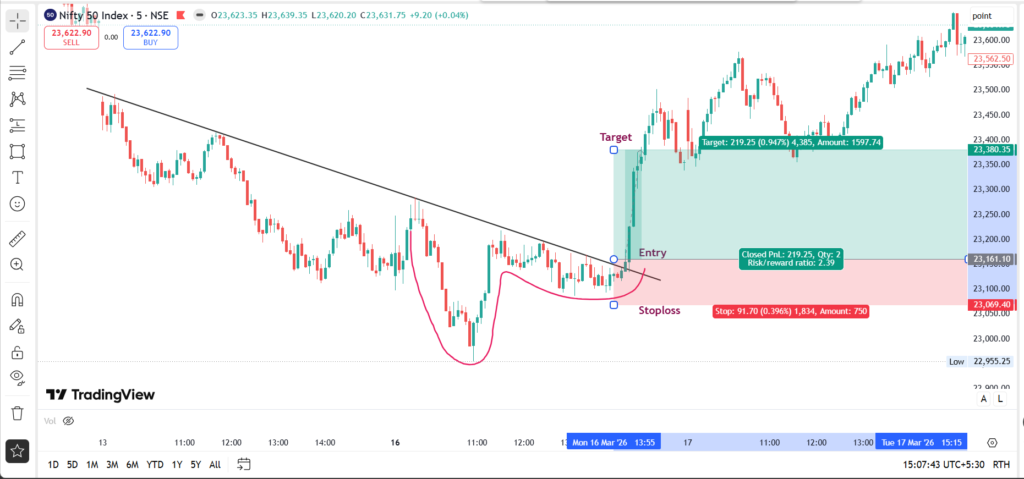
Live Chart Platform:https://www.tradingview.com/
Analysis
The Nifty 50 regularly produces reliable Double Bottom formations due to strong participation by institutional investors.
In this example, the market was experiencing a corrective phase within a broader trend.
Price eventually reached a major support zone and formed the first bottom.
Buyers entered aggressively, pushing the index higher.
After the rally, sellers attempted another decline.
However, the second drop failed to create a meaningful lower low.
This signaled weakening bearish momentum.
As buyers regained confidence, the price moved back toward the neckline.
The eventual breakout confirmed the Double Bottom pattern and marked the beginning of a fresh bullish move.
This example demonstrates that the pattern works effectively in Indian markets when combined with strong support levels and proper confirmation.
Double Bottom Pattern Example on Bank Nifty
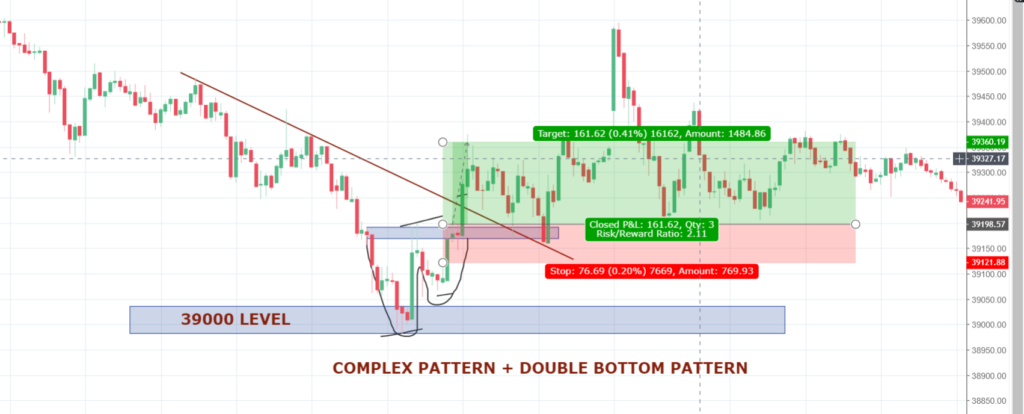
Analysis
Bank Nifty is known for its volatility and strong directional movements.
Because of these characteristics, Double Bottom patterns can produce significant trading opportunities.
In this example, the price declined sharply before reaching a key support zone.
The first bottom formed as buyers entered the market and halted the decline.
After a temporary rebound, the index revisited the same support area.
Sellers attempted to break support but failed to generate sustained downside momentum.
This failure attracted fresh buying activity.
As the price moved higher and broke above the neckline, the pattern was confirmed.
The breakout triggered a strong bullish move as both short covering and new buying entered the market.
Because Bank Nifty experiences larger price swings than many other indices, traders should use appropriate position sizing and wider stop-loss levels when trading similar setups.
Volume Analysis in Double Bottom Pattern
Volume is one of the most important tools for confirming the strength of a Double Bottom pattern. While price action reveals what the market is doing, volume often reveals the conviction behind that move.
Many traders focus solely on chart patterns and ignore volume analysis. However, combining volume with the Double Bottom pattern can significantly improve trade selection and reduce false signals.
Why Volume Mattersch
Volume represents the number of shares, contracts, or units traded during a specific period.
When a breakout occurs with strong volume, it suggests that a large number of market participants support the move.
This increases the probability that the breakout will continue.
On the other hand, a breakout with weak volume often indicates a lack of conviction and may result in a false signal.
Volume During the First Bottom
During the first bottom, volume is often elevated because panic selling reaches its peak.
At the same time, long-term investors and institutional participants may begin accumulating positions near support.
This combination of selling and buying activity can create relatively high trading volume.
Volume During the Second Bottom
The second bottom often forms with lower selling volume compared to the first bottom.
This is an important clue.
Declining volume suggests that sellers are becoming exhausted and fewer market participants are willing to sell at lower prices.
The reduction in selling pressure increases the chances of a bullish reversal.
Volume During the Breakout
The strongest Double Bottom patterns typically experience a noticeable increase in volume during the neckline breakout.
This increase indicates strong buying participation.
Institutional investors, momentum traders, and breakout traders often enter the market simultaneously, creating a surge in demand.
A breakout supported by rising volume is generally considered more reliable than a breakout occurring on weak volume.
Warning Signs of Weak Volume
Traders should be cautious when:
* Breakout volume is below average.
* Volume decreases during the breakout.
* Price breaks the neckline but quickly reverses.
* Overall market participation remains weak.
In these situations, the probability of a false breakout increases.
For this reason, many professional traders use volume as a confirmation tool before entering a trade.
Risk Management Rules for Double Bottom Trading
Even the best chart patterns fail occasionally.
The difference between successful traders and unsuccessful traders is often risk management rather than pattern recognition.
Proper risk management helps protect trading capital and ensures that a single losing trade does not significantly damage the account.
The 1% Risk Rule
Many professional traders follow the 1% rule.
This means risking no more than 1% of total trading capital on a single trade.
For example, if your trading account is ₹1,00,000, the maximum loss on any trade should generally not exceed ₹1,000.
This approach helps traders survive periods of consecutive losses.
Position Sizing
Position sizing determines how much capital is allocated to a trade.
The size of the position should depend on the distance between the entry point and the stop loss.
Larger stop losses require smaller position sizes, while smaller stop losses allow larger positions.
Proper position sizing prevents excessive risk exposure.
Risk-Reward Ratio
Before entering any trade, traders should evaluate the potential reward compared to the potential risk.
Many professional traders prefer setups offering at least a 1:2 risk-reward ratio.
For example:
* Risk = 100
* Potential Reward = 200
This means that even if only half of the trades succeed, the strategy can still remain profitable over time.
Avoid Overtrading
Not every Double Bottom pattern deserves a trade.
Many traders lose money because they feel compelled to participate in every setup.
Patience is often a competitive advantage in trading.
Focus only on high-quality setups that meet your criteria.
Managing Losing Trades
Losses are a normal part of trading.
Successful traders accept losses quickly rather than hoping the market will reverse.
If the stop loss is triggered, exit the trade according to the plan.
Avoid moving stop losses further away simply to avoid taking a loss.
Discipline is one of the most important qualities of long-term trading success.
Best Timeframes for Double Bottom Pattern
One of the advantages of the Double Bottom pattern is that it can be applied across multiple timeframes.
However, not all timeframes produce the same reliability.
Generally, higher timeframes generate stronger signals because they contain more market data and reduce noise.
Intraday Trading
Intraday traders frequently use:
* 5-minute charts
* 15-minute charts
* 30-minute charts
* 1-hour charts
Double Bottom patterns on lower timeframes can provide quick trading opportunities.
However, false signals occur more frequently because short-term price fluctuations create additional market noise.
Swing Trading
Swing traders often prefer:
* 4-hour charts
* Daily charts
These timeframes provide a balance between signal quality and trading frequency.
Many of the best Double Bottom setups occur on daily charts because institutional activity becomes more visible.
Positional Trading
Positional traders typically focus on:
* Daily charts
* Weekly charts
The patterns formed on these timeframes often result in larger price movements and stronger trends.
Although trades take longer to develop, the signals are generally more reliable.
Long-Term Investing
Long-term investors sometimes use Double Bottom patterns on weekly and monthly charts to identify major market turning points.
Large-cap stocks, broad market indices, and sector indices frequently display significant reversal patterns on higher timeframes.
Because institutional participation is more visible on weekly and monthly charts, these setups often carry greater significance.
For most traders and investors, the Daily timeframe remains the ideal balance between reliability and practicality when trading the Double Bottom pattern.
Does the Double Bottom Pattern Work in Every Market?
One of the reasons why the Double Bottom pattern remains popular among traders worldwide is its versatility. Unlike some technical setups that work better in specific asset classes, the Double Bottom can be found in almost every financial market.
This is because the pattern is based on market psychology rather than the characteristics of a particular instrument.
Wherever buyers and sellers interact, similar patterns can emerge.
Double Bottom in Stocks
Individual stocks frequently form Double Bottom patterns, especially after earnings-related declines, market corrections, or sector-wide weakness.
Many swing traders use the pattern to identify potential buying opportunities after a stock has experienced a sharp sell-off.
Large-cap stocks often produce cleaner setups because of their higher liquidity and institutional participation.
Double Bottom in Indices
Market indices such as the S&P 500, Nasdaq, Nifty 50, and Bank Nifty regularly create Double Bottom formations.
Because indices represent a broad group of stocks, they tend to produce more reliable patterns than highly volatile individual securities.
Institutional investors often defend important support levels in major indices, increasing the significance of the pattern.
Double Bottom in Forex
Forex traders commonly use Double Bottom patterns to identify potential trend reversals in currency pairs.
Because the foreign exchange market is highly liquid, support and resistance levels often attract substantial trading activity.
The pattern can be particularly effective when combined with key economic events and central bank decisions.
Double Bottom in Cryptocurrency
Cryptocurrency markets are known for their volatility.
Despite this volatility, Double Bottom patterns appear frequently on major cryptocurrencies such as Bitcoin and Ethereum.
Traders should exercise caution because crypto markets can produce false breakouts more often than traditional markets.
Additional confirmation through volume and market structure becomes especially important.
Double Bottom in Commodities
Commodities such as gold, silver, crude oil, and natural gas also display Double Bottom formations.
Many commodity traders use the pattern to identify major trend reversals after prolonged periods of weakness.
The pattern often becomes more reliable when supported by supply and demand fundamentals.
Failed Double Bottom Pattern
Although the Double Bottom pattern can be highly effective, it is not perfect.
Every trader must understand that no technical pattern guarantees success.
Learning how patterns fail is just as important as learning how they succeed.
What Is a Failed Double Bottom?
A failed Double Bottom occurs when price appears to complete the pattern but does not continue higher after the breakout.
Instead of starting a new uptrend, the market reverses lower and traps buyers who entered during the breakout.
These situations are commonly referred to as false breakouts.
False Breakout Example
In a typical false breakout scenario:
* Price forms two bottoms.
* The neckline is broken.
* Traders enter long positions.
* Buying momentum quickly fades.
* Price falls back below the neckline.
* The bullish setup fails.
This often results in losses for traders who entered without proper risk management.
Why Double Bottom Patterns Fail
There are several reasons why a Double Bottom pattern may fail.
Weak Breakout Volume
A breakout without strong volume participation may lack the buying pressure necessary to sustain higher prices.
Strong Resistance Nearby
Even after breaking the neckline, price may encounter another major resistance level.
This can limit upside potential and trigger a reversal.
Negative Market News
Unexpected news events can invalidate technical setups.
Economic announcements, earnings reports, and geopolitical developments may quickly change market sentiment.
Weak Overall Market Conditions
A bullish pattern has a lower probability of success if the broader market remains strongly bearish.
Market context should always be considered before entering a trade.
How to Avoid False Signals
While false signals cannot be eliminated entirely, traders can reduce their frequency by:
* Waiting for a confirmed breakout.
* Using volume confirmation.
* Trading in the direction of the broader trend.
* Avoiding low-quality setups.
* Following strict risk management rules.
The goal is not to avoid every losing trade but to improve the probability of success over a large sample of trades.
Advanced Double Bottom Trading Tips
Once traders understand the basic structure of the pattern, they can incorporate additional techniques to improve trade selection and execution.
Wait for a Retest
Many experienced traders do not enter immediately after the breakout.
Instead, they wait for the price to retest the neckline.
A successful retest often provides a lower-risk entry opportunity.
When former resistance becomes new support, confidence in the pattern increases.
Combine With Support and Resistance
The strongest Double Bottom patterns usually form near major support zones.
Combining the pattern with horizontal support and resistance analysis can improve accuracy.
The more technical factors supporting a trade, the stronger the overall setup becomes.
Use Multiple Timeframe Analysis
Professional traders often analyze multiple timeframes before entering a trade.
For example:
* Weekly chart for overall trend.
* Daily chart for setup identification.
* Four-hour chart for entry timing.
This approach helps traders align their trades with the broader market direction.
Follow the Overall Market Trend
Although Double Bottom patterns are reversal formations, they generally perform better when they align with the larger market environment.
For example, a bullish reversal during a healthy bull market often has a higher probability of success than a bullish reversal during a major bear market.
Understanding broader market conditions can improve decision-making.
Focus on High-Volume Breakouts
Not all breakouts are equal.
The strongest moves often occur when breakout volume expands significantly above average.
Large volume indicates strong participation from institutions and other major market participants.
When price and volume move together, the probability of a successful breakout generally increases.
By combining these advanced techniques with sound risk management, traders can improve both the quality of their setups and their long-term trading performance.
Common Mistakes Traders Make
Even though the Double Bottom pattern is relatively easy to identify, many traders still lose money because of poor execution. Understanding common mistakes can help improve trading performance and prevent unnecessary losses.
Entering Before Confirmation
One of the biggest mistakes is buying before the neckline breakout.
Many traders see the second bottom forming and immediately assume the market will reverse higher.
However, the pattern remains incomplete until the neckline is broken.
Entering too early increases the risk of being trapped in a continuing downtrend.
Ignoring Volume
Volume provides valuable confirmation.
A breakout with weak volume often lacks conviction and may fail quickly.
Traders who ignore volume analysis increase their chances of entering false breakouts.
Poor Stop Loss Placement
Some traders place stop losses too close to the market price.
Normal price fluctuations can trigger these stops even when the overall setup remains valid.
Others avoid using stop losses altogether, exposing themselves to potentially large losses.
Chasing Breakouts
Buying after a large breakout candle can lead to poor entries.
When traders chase price, they often enter at unfavorable levels with reduced reward potential.
Patience and proper timing are essential.
Ignoring Market Conditions
A Double Bottom pattern should not be analyzed in isolation.
The broader market environment matters.
A bullish pattern has a higher chance of success when the overall market is healthy and supportive.
Risking Too Much Capital
No trading setup guarantees success.
Risking a large portion of trading capital on a single trade can lead to significant account damage.
Professional traders focus on consistency rather than attempting to maximize profits from a single setup.
Best Indicators to Combine With Double Bottom Patterns
Although the Double Bottom pattern can be traded using price action alone, many traders combine it with technical indicators for additional confirmation.
Indicators should support the setup rather than replace proper chart analysis.
RSI
The Relative Strength Index (RSI) is one of the most popular momentum indicators.
Many traders look for bullish divergence during the formation of a Double Bottom.
Bullish divergence occurs when price forms a similar or lower low while RSI forms a higher low.
This suggests that bearish momentum is weakening.
When bullish divergence appears near the second bottom, confidence in the setup often increases.
Volume
Volume remains one of the most powerful confirmation tools.
Strong volume during the breakout indicates active participation from buyers.
Breakouts supported by rising volume are generally more reliable than those occurring on weak volume.
Moving Averages
Moving averages help traders identify trend direction.
A breakout above a major moving average can strengthen the bullish case.
Many traders monitor:
* 20-Day Moving Average
* 50-Day Moving Average
* 200-Day Moving Average
When price breaks both the neckline and a significant moving average, the setup often becomes more attractive.
MACD
The Moving Average Convergence Divergence (MACD) indicator helps identify momentum shifts.
A bullish MACD crossover during the formation of a Double Bottom can provide additional confirmation.
Many traders use MACD together with volume and price action to validate reversals.
Fibonacci Retracement
Fibonacci retracement levels can help identify support zones where Double Bottom patterns are likely to form.
If the pattern develops near major Fibonacci levels such as 38.2%, 50%, or 61.8%, traders often view the setup more favorably.
Using multiple forms of confirmation can improve trade selection and increase confidence.
Double Bottom vs Double Top Pattern
The Double Bottom and Double Top are two of the most recognized reversal patterns in technical analysis.
While they share similar structures, they signal opposite market expectations.
Key Differences
A Double Bottom forms after a downtrend and signals a potential bullish reversal.
A Double Top forms after an uptrend and signals a potential bearish reversal.
The Double Bottom resembles the letter W, while the Double Top resembles the letter M.
In a Double Bottom:
* Support is tested twice.
* Buyers gain control.
* Breakout occurs above the neckline.
* Traders look for buying opportunities.
In a Double Top:
* Resistance is tested twice.
* Sellers gain control.
* Breakdown occurs below the neckline.
* Traders look for selling opportunities.
Both patterns are based on the same principle: repeated failure at a key price level often signals a shift in market sentiment.
Which Pattern Is More Reliable?
Neither pattern is universally superior.
Their reliability depends on:
* Market conditions
* Volume confirmation
* Trend strength
* Support and resistance quality
* Risk management
When properly confirmed, both patterns can provide high-quality trading opportunities.
Frequently Asked Questions
Is Double Bottom a Bullish Pattern?
Yes.
The Double Bottom is considered a bullish reversal pattern because it suggests that selling pressure is weakening and buyers are beginning to gain control.
The pattern becomes valid after a breakout above the neckline.
What Is the Success Rate of a Double Bottom Pattern?
The success rate varies depending on market conditions, timeframe, and confirmation methods.
Patterns supported by strong volume, clear support levels, and favorable market conditions generally perform better than weaker setups.
No pattern guarantees success, which is why risk management remains essential.
Which Timeframe Is Best for Double Bottom Trading?
The Daily timeframe is often considered the best balance between reliability and practicality.
However, the pattern can be used successfully on:
* Intraday charts
* Four-hour charts
* Daily charts
* Weekly charts
Higher timeframes generally produce stronger signals.
Can Beginners Trade Double Bottom Patterns?
Yes.
The Double Bottom is one of the easiest reversal patterns for beginners to understand.
Its structure is simple, and it provides clear entry, stop-loss, and target levels.
However, beginners should practice risk management and avoid entering before confirmation.
Does Double Bottom Work in Bank Nifty?
Yes.
Bank Nifty frequently forms Double Bottom patterns because of its strong liquidity and directional price movements.
Many traders use the pattern successfully in Bank Nifty swing and positional trading.
Does Double Bottom Work in S&P 500?
Yes.
The S&P 500 regularly produces high-quality Double Bottom formations.
Because of significant institutional participation, support and resistance levels often become more meaningful.
Can Double Bottom Fail?
Absolutely.
No technical pattern works 100 percent of the time.
False breakouts, weak volume, unexpected news events, and poor market conditions can all lead to pattern failure.
This is why stop losses are necessary.
Should Volume Increase During Breakout?
Ideally, yes.
Increasing volume during the breakout suggests strong buying participation and improves the reliability of the pattern.
Breakouts on weak volume should be treated with caution.
What Is the Ideal Stop Loss for Double Bottom Trading?
Most traders place stop losses below the second bottom.
Others place stops below the broader support zone or use volatility-based methods such as ATR.
The best approach depends on market conditions and trading style.
Can the Double Bottom Be Used for Swing Trading?
Yes.
The Double Bottom is widely used by swing traders because it often identifies the early stages of a new uptrend.
Daily and four-hour charts are particularly popular among swing traders.
Key Takeaways
* The Double Bottom is a bullish reversal pattern.
* The pattern resembles the letter W.
* It forms after a downtrend.
* Two lows develop near the same support level.
* A breakout above the neckline confirms the pattern.
* Volume plays an important role in validation.
* Stop losses are typically placed below the second bottom.
* The pattern works across stocks, indices, forex, commodities, and cryptocurrencies.
* Proper risk management is essential.
* Confirmation should always be prioritized over prediction.
Conclusion
The Double Bottom pattern remains one of the most trusted reversal formations in technical analysis. Its popularity comes from its simplicity, clear structure, and ability to reflect changing market psychology.
The pattern develops when sellers fail to break an important support level despite multiple attempts. As bearish momentum weakens and buying pressure increases, the market eventually breaks above the neckline and signals a potential trend reversal.
Like all trading strategies, the Double Bottom should never be used in isolation. Traders should combine the pattern with volume analysis, support and resistance levels, market context, and disciplined risk management.
Whether you trade the S&P 500, Nifty 50, Bank Nifty, individual stocks, forex pairs, commodities, or cryptocurrencies, the Double Bottom pattern can become a valuable addition to your trading toolkit.
By focusing on high-quality setups, waiting for confirmation, and managing risk carefully, traders can use the Double Bottom pattern to identify potential opportunities with greater confidence and consistency.